What private label changes, and what it does not
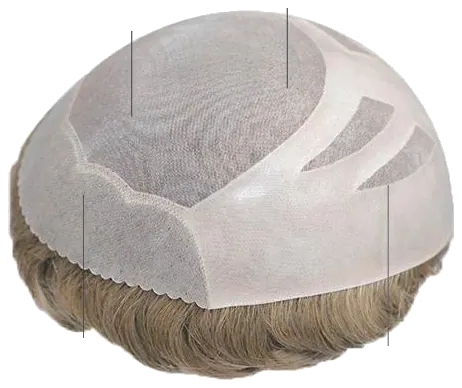
Private label changes presentation and specification ownership. It does not change the construction: the base families, densities and hair are the same ones sold to every buyer. That is the honest version of the offer, and buyers should be suspicious of any supplier who implies otherwise — a private label programme is a branding and specification arrangement, not a different grade of product.
| Element | Standard wholesale | Private label |
|---|
| Branding on goods | Crownera reference | None; buyer's label only |
| Packaging | Standard protective pack | Built to buyer's artwork and specification |
| Specification ownership | Shared range | Recorded as buyer-exclusive |
| Minimum quantity | From 30 pieces per style | Discussed per programme |
| Colour card / swatch set | Standard | Buyer's own colour naming |
What buyers usually want protected
The three things worth protecting in a private label range are the colour naming, the density set, and the cap shape. Colour naming matters because a buyer's customers buy 'Number 4 Ash' from them, not a generic shade code; if the supplier later sells the same code to a competitor under a different name, the buyer's catalogue loses its anchor. Density and cap shape work the same way: they become the buyer's product geometry.
The commercial logic of private label
A reseller competing on price has no protection: the next supplier undercuts them. A private label buyer competes on specification and brand, which is defensible because a customer cannot easily compare two products that are not named the same way. The cost of the switch is packaging artwork, a confirmed specification and a minimum quantity commitment — not a new product development cycle.
What we need from a private label buyer
- The specification set to be held: base types, densities, cap shapes, colour range.
- Packaging requirements: label artwork, box or pouch format, any inserts.
- Volume expectations per style, so the programme is quoted against realistic quantities.
- The markets being served, because labelling and import requirements differ by country.
A realistic start
Most private label programmes begin with a paid sample round under standard packaging to confirm the specification, then a first branded production run on two or three styles. Committing to a full branded catalogue before a single piece has been worn by a real customer is the most common way buyers lose money in this category.
What stays the same
Payment terms, shipping and quality expectations do not change under private label: PayPal for samples, WorldFirst or XT for bulk, FedEx for delivery, and the same specification sheet driving every reorder.